Analysis
Insights from the Steers Center Luminaries 2026
The Widening Definition of Real Assets: What Changed in 2026
The definition of real assets is expanding. What was once understood primarily through traditional property types now reflects a broader system shaped by infrastructure, energy, and digital capacity. In 2026, real estate is no longer defined by physical space alone. It is increasingly shaped by power availability, data throughput, and the networks that connect them.
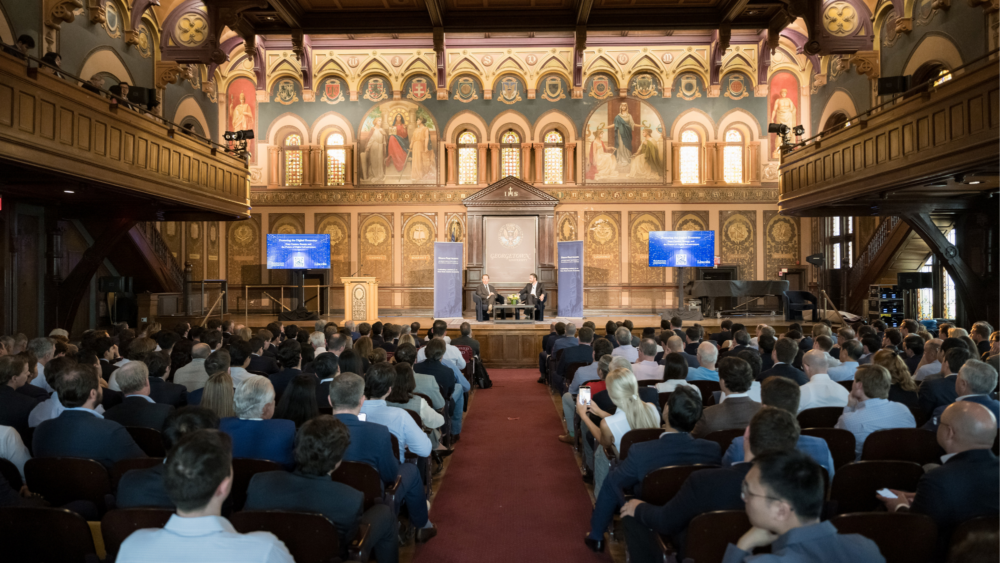
At the center of this conversation is the Steers Center for Global Real Assets at Georgetown University McDonough School of Business, which recently convened its annual Luminaries Series. Over the past decade, the Luminaries Series has grown into one of the signature convenings for the real estate and investment community. What began as a single evening event has evolved into a broader program that includes advisory board engagement, student programming, alumni networking, and a flagship public forum connecting the university with leaders across the real assets ecosystem.
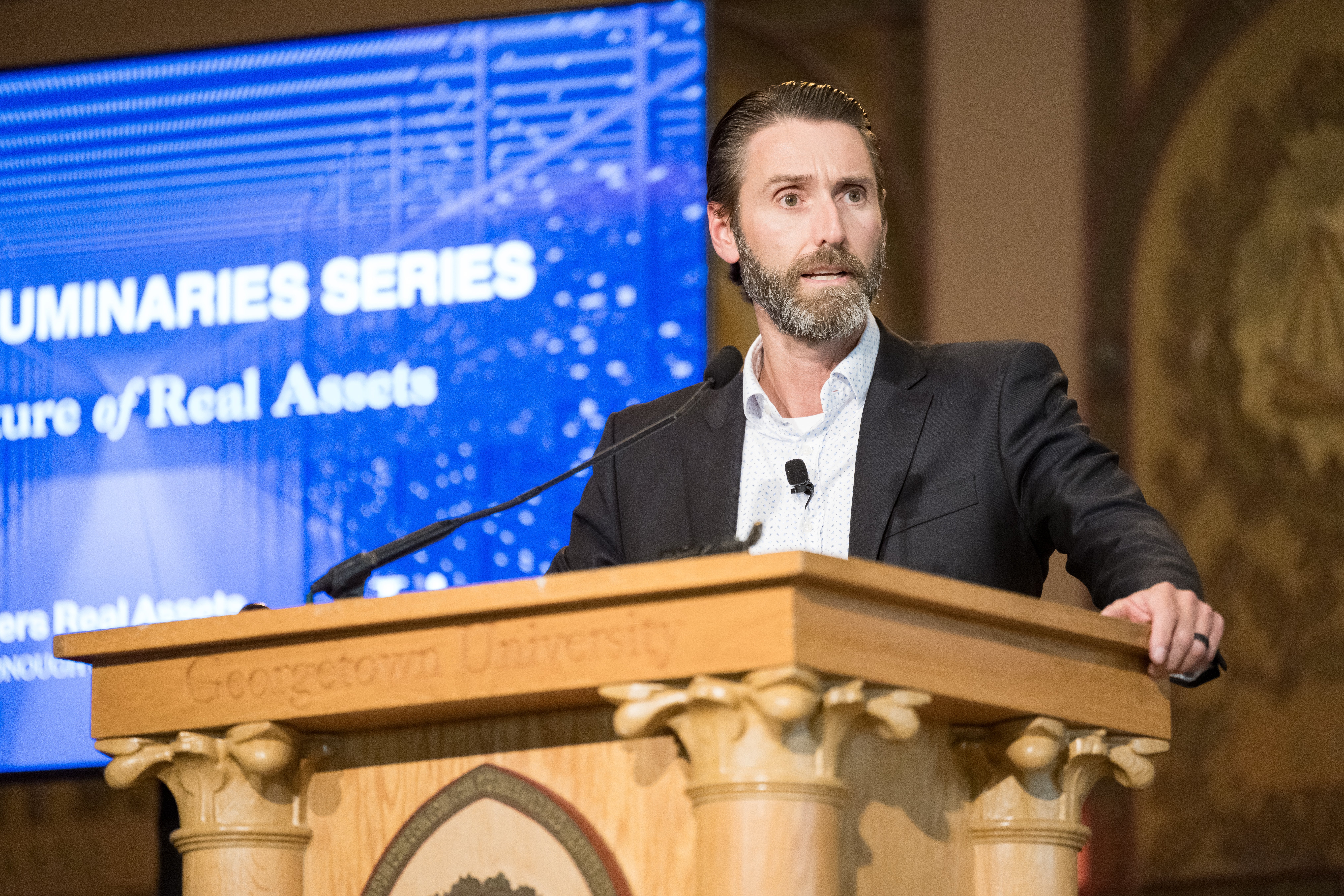
As Matthew Cypher noted, “Each year we welcome industry leaders across traditional real estate, energy, and infrastructure into the room with Georgetown students, not just to set the tone for today’s real assets landscape, but also the outlook for tomorrow.” The purpose of the convening is not only to assess the current market environment, but to help define where the industry is going next. Bringing together industry leaders alongside Georgetown students reflects a core principle of the program: the future of real assets is shaped as much by knowledge exchange as it is by capital deployment.
What Is the Definition of Real Assets in 2026?
Across the Luminaries discussions, one theme was consistent. The definition of real assets can no longer be limited to traditional real estate categories.
Instead, real assets are best understood as physical assets and the infrastructure systems that enable economic activity, including real estate, energy, and digital networks, all shaped by the constraints that govern their use.
This definition is being driven by three forces:
- Infrastructure convergence
Real estate, energy, and digital infrastructure are increasingly interdependent across sectors such as multifamily housing, industrial outdoor storage, mining, and data centers. - Physical constraints
Power availability, grid access, and land use limitations are directly influencing investment decisions and development timelines. - Capital selectivity
Higher interest rates and tighter underwriting standards are reinforcing discipline and prioritizing downside protection.
Key Takeaways from Luminaries 2026
- The definition of real assets is expanding
Real assets now include not only physical properties, but also the infrastructure systems and constraints, such as power, connectivity, and land, that determine how those assets function and create value. - Power is now a core asset input
Access to energy is shaping development and performance, with microgrids and storage systems becoming essential components of investment strategy. - Digital infrastructure is redefining scale
The evolution from data centers to large-scale computational facilities is driving new demand for land, power, and capital. - Repricing is creating targeted opportunities
Select high-quality assets, particularly in office, are trading below replacement cost in markets supported by strong intellectual capital. - Human execution remains central
As data becomes more accessible, performance depends on judgment, relationships, and operational discipline.

Real Estate Repriced: Capital, Risk, and the Next Cycle
The opening session, Real Estate Repriced: Capital, Risk and the Next Cycle, focused on how investors are recalibrating expectations in a higher-rate environment.
Industry leaders Tyler Henritze of Town Lane and Nick Azrack (C’06) of the Baupost Group described a market that is still adjusting to tighter capital and more selective underwriting. Rather than pursuing broad market exposure, investors are concentrating on high-conviction opportunities supported by detailed, localized analysis.
As noted by Azrack, real estate has, in recent years, functioned as a “hardware business in a software world,” lagging other asset classes. That dislocation is now creating opportunities for investors who can identify mispriced assets through disciplined underwriting and proprietary relationships.
The session also highlighted a shift in how firms are using AI internally. By reducing time spent on data processing, organizations are reallocating effort toward higher-value decision-making. Even as technology improves efficiency, the ability to interpret information and act on it remains the differentiator.
Digital Infrastructure and the Power Constraint
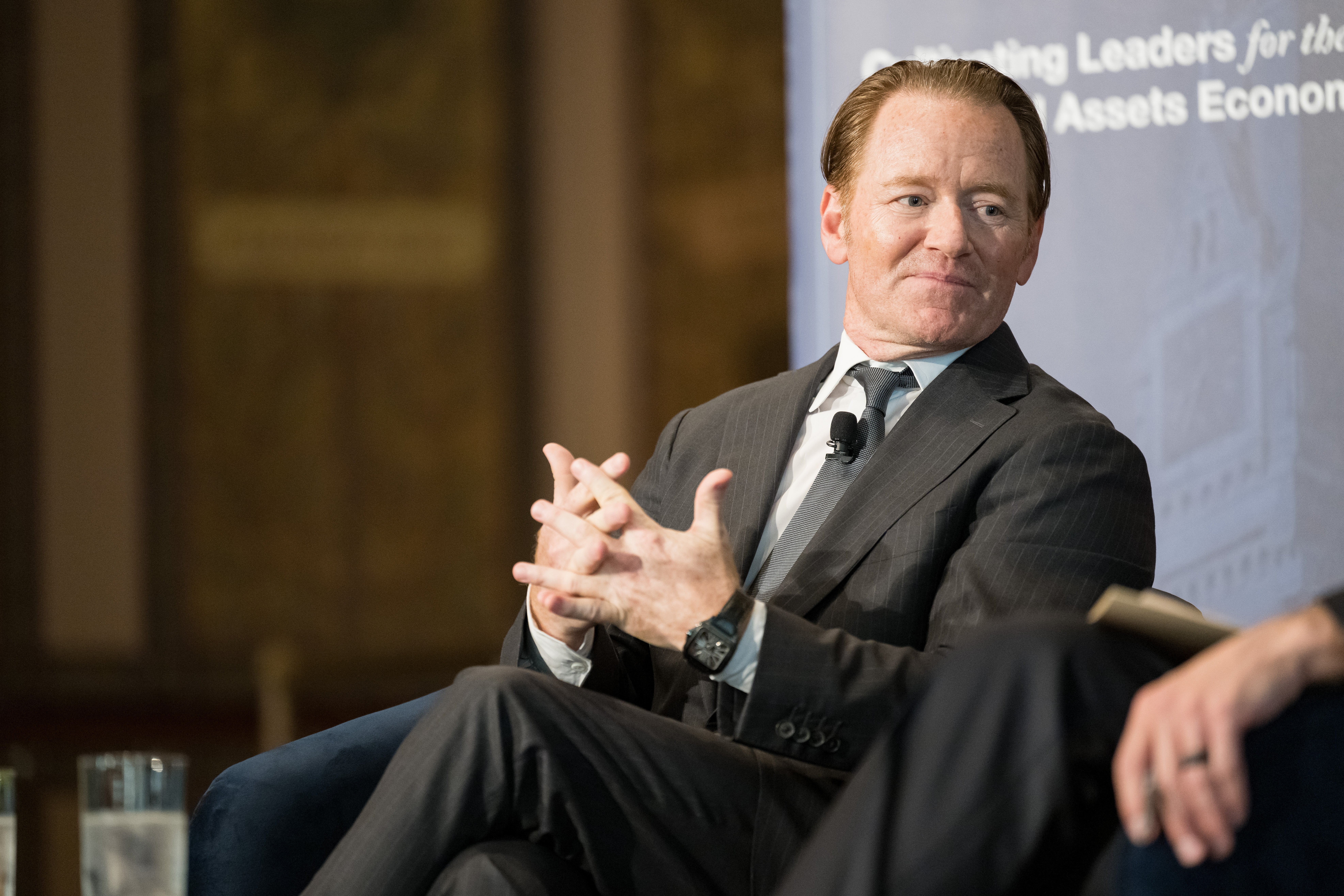
In a fireside discussion with Marc Ganzi, CEO of DigitalBridge, the conversation focused on how power availability is shaping the future of digital infrastructure.
As Ganzi emphasized, “The only thing that keeps you in front of the game right now is power: your ability to have power, be grid connected, and to sell power back into the grid.” With grid transmission delays extending into the latter part of the decade, access to energy has become a primary constraint on development.
As a result, investment strategies are increasingly centered on independent power solutions, including microgrids, hydroelectric sourcing, and large-scale battery storage. This “power-first” approach is enabling continued expansion while addressing one of the most significant limitations facing the sector.
The discussion also pointed to the evolution of data centers into large-scale computational facilities designed to support enterprise demand, government use cases, and industrial applications of AI. These assets require significantly more power and infrastructure than earlier generations of cloud development, reflecting a shift toward infrastructure built for continuous, large-scale computation.
At the same time, the conversation returned to a consistent theme. Even in a highly technical and capital-intensive sector, execution depends on people. As Ganzi noted, “The customer is always right,” underscoring the importance of trust, long-term relationships, and close partnerships with operators and end users.
Ganzi reinforced this point with a comparison to basketball, remarking that “we don’t have any special information, no more than what [competing firms] have, where we’re going to win is having great management teams that hustle in the jump balls.” In other words, even as technology evolves, performance continues to be driven by teams that execute with discipline, speed, and consistency.
Ganzi’s advice underscored a central theme of the Steers Center for Global Real Assets educational ethos: success for the next generation of real estate professionals will depend on a combination of deep intellectual curiosity and interpersonal skills. As the physical and digital worlds continue to merge, the ability to build trust with management teams and customers will be the enduring engine of value.


The Human Element and the Future of Talent
Across sessions, the importance of the human element remained central. While technology is reshaping how assets are developed and managed, outcomes continue to depend on leadership, judgment, and collaboration.
For students and emerging professionals, this has clear implications. Success in the real assets industry will require:
- Deep intellectual curiosity about the intersection of physical and digital systems
- The ability to build and sustain relationships across organizations
- A disciplined approach to decision-making in uncertain environments
The Luminaries Series reinforces this connection by bringing students directly into conversations with industry leaders, creating a learning environment grounded in real-time market dynamics.

The Future of Real Assets
The 2026 Luminaries Series offered a clear view of where the market is heading. The boundaries between real estate, infrastructure, and energy will continue to converge, shaped by both technological advancement and physical constraints.
Digital infrastructure will expand, but its growth will be defined by access to power and the realities of development. At the same time, traditional sectors will continue to adjust to new pricing dynamics and capital expectations.
For investors, operators, and future leaders, success will depend on the ability to operate across the full real assets ecosystem. This includes understanding how assets, infrastructure, and human execution intersect to create long-term value.
The definition of real assets is not static. It is being actively reshaped by the systems that support the global economy and by the people who bring those systems together.
Frequently Asked Questions About Real Assets
What is the modern definition of real assets?
Real assets are physical assets and the infrastructure systems that enable economic activity, including real estate, energy, and digital networks. In 2026, their value is increasingly shaped by power availability, connectivity, and physical constraints that influence how assets are developed and operated.
Why is power important in real assets today?
Power has become a primary constraint on development, particularly for digital infrastructure. Access to reliable energy, including microgrids and battery storage, directly impacts asset performance, scalability, and long-term value creation.
How is AI changing real assets?
AI is increasing demand for digital infrastructure and large-scale computational facilities. It is also transforming how investors operate, shifting time and resources away from data processing toward higher-value decision-making and execution.
What sectors are included in real assets now?
Real assets now extend beyond traditional real estate to include infrastructure, energy systems, data centers, logistics platforms, and other assets tied to physical and digital connectivity.
How are investors adapting to the current real estate cycle?
Investors are taking a more disciplined approach, focusing on high-conviction opportunities, downside protection, and detailed underwriting. Market repricing has created opportunities in select sectors, particularly where assets are supported by strong fundamentals such as intellectual capital and infrastructure access.